
From May 4 to 9, we observe Safety and Health week across Canada to focus on preventing injury and illness in workplaces, homes and communities.
This week is also an opportunity to reflect on the recent changes to the Workplace Safety and Insurance Board (WSIB) system.
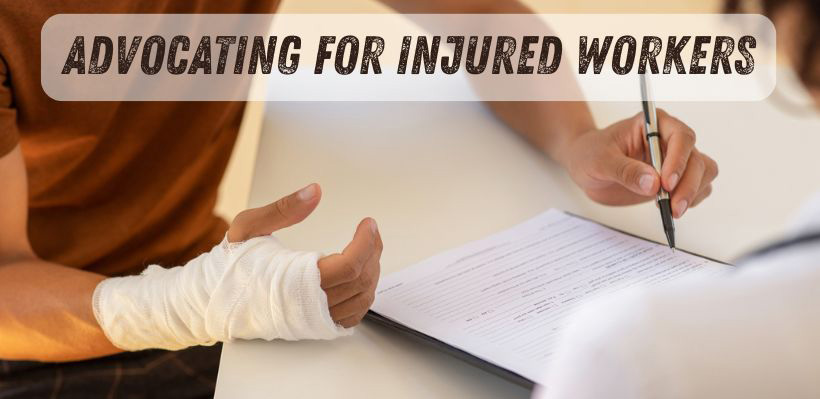
After years of struggle and advocacy, unions and community allies are welcoming the modest improvements announced by the government to the WSIB system in Ontario. After the massive Conservative cutbacks in 1990s, these changes represent a partial and small restoration of workers’ rights and compensation.
However, Ontario’s WSIB system remains broken, and falls short of delivering just compensation for injured workers. In fact, the current Conservative government voted to defeat the NDP Bill 86, which would have restored and reverted the system to its original compensation principles.
Here is what UFCW 1006A’s WSIB department had to say about the recent changes:
What role did unions and the labour movement have in achieving these improvements?
UFCW 1006A, along with labour and community allies, collaborated in launching the Rights Don’t Retire campaign.
UFCW Canada members raised awareness in their workplaces and their communities, encouraged engagement and signed petitions to create a critical mass of support to pressure the Conservative government to change the Workplace Safety and Insurance Act.
We advocated to remove the cut-off at age 65 for loss of earnings benefits. We pushed to restore the loss of earnings rates back to its original 90 per cent from the current 85 per cent.
What impact will these changes have for workers who became ill or injured at work?
The re-instatement to 90 per cent of pre-injury earnings from 85 per cent is significant for a worker who has lost wages because of a work-related injury. An injured worker who had pre-injury earnings of $2,000 per month will only receive $1,700 under the current law. The proposed change will give the injured worker $1,800. The $100 difference is substantial to an injured worker who relies solely on their salary to support themselves and their family while they are injured and unable to work.
The removal of the age cut-off at 65 for loss of earnings will restore the dignity of workers 65 years and older, in that they will be treated as any other worker deserving of benefits when they are injured because of work.
However, the Conservative government’s proposed changes in Bill 105 put the onus on an injured worker to show that they intended to keep working past 65 years of age. If this version is passed, the age cut-off removal is hollow, discriminatory and violates the Charter.
Currently, WSIB can review an injured worker’s benefits for the first six years after the work injury. Benefits can be “locked in” after this period. If Bill 105 passes, this lock-in protection will be removed and benefits can be reviewed by WSIB indefinitely. This change takes away security of benefits from workers who are no longer able to work because they suffered a work injury or illness.
Additionally, Bill 105 contains other injured worker protections that will be compromised. We encourage every member of UFCW Local 1006A to familiarize themselves with Bill 105 and contact their MPP to express their concern.
What are the other changes that unions are working on?
Unions and community allies will continue to push for the restoration of rights and compensation which was contained in the recently defeated Bill 86, also known as the Meredith Act.
Sir William Meredith was the founder of Ontario’s compensation system.
The NDP Bill 86 aimed to repeal the Workplace Safety and Insurance Act and revert the system to its original compensation principles as it was originally envisioned by Sir William Meredith.
The compensation system is based on the “historic trade-off” when workers gave up their right to sue their employers for injuries sustained at work in exchange for assured compensation. Bill 86 would have removed employer rebates and ensured transparency and public accountability.
Though the bill was defeated, our advocacy for the rights of injured workers will continue.
LEARN MORE